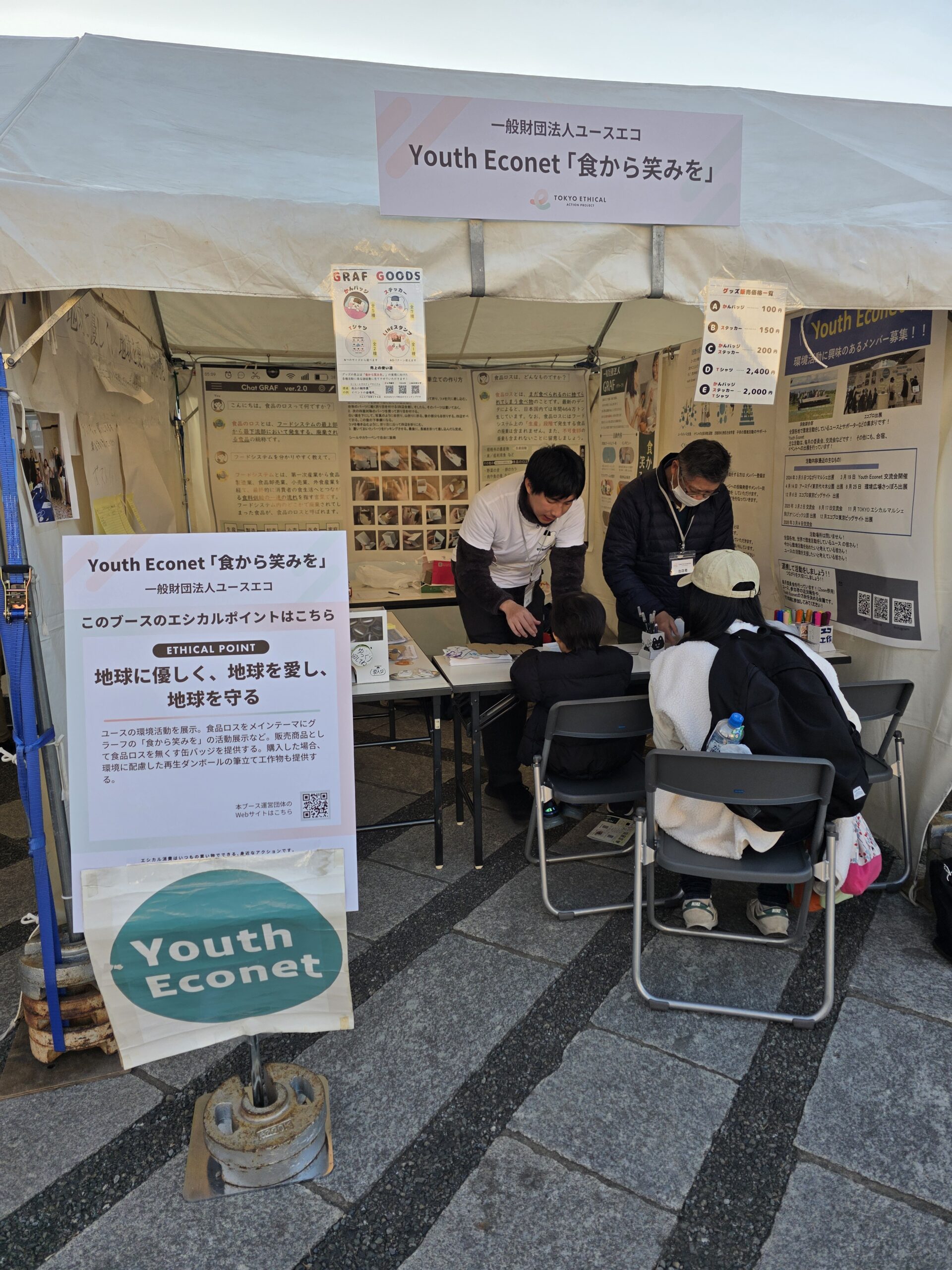
From November 22 to 24, 2025, we exhibited at the “TOKYO Ethical Marche” held at the Central Plaza of Komazawa Olympic Park in Tokyo.
In this article, we introduce what this event was about and what YouthEconet did during the three-day exhibition.
Event Overview
The TOKYO Ethical Marche is an event where visitors can experience and explore ethical consumption—consumer choices that are considerate of people, society, and the environment.
At each booth, partner companies and organizations of TOKYO Ethical offered ethical products and food items for sale.
Over the three days, the event featured a wide variety of programs, including workshops for children and stage events with special guests.
- Dates
- November 22 (Sat), 23 (Sun), and 24 (Mon, public holiday), 2025
- Time
- 10:00 AM – 4:00 PM
- Admission
- Free
- Organizer
- Tokyo Metropolitan Government
- Venue
- Komazawa Olympic Park, Central Plaza(1-1 Komazawa Park, Setagaya-ku, Tokyo)
- アクセス
- 15-minute walk from “Komazawa-daigaku Station” (Tokyu Den-en-toshi Line)
- Tokyu Bus (bound for Den-en-chofu) from JR “Shibuya” Station, get off at “Komazawa Park East Entrance”
参考:https://www.ethical-action.tokyo/articles/5051/
What We Did at Our Booth
At the “YouthEconet” booth, we offered a variety of activities:
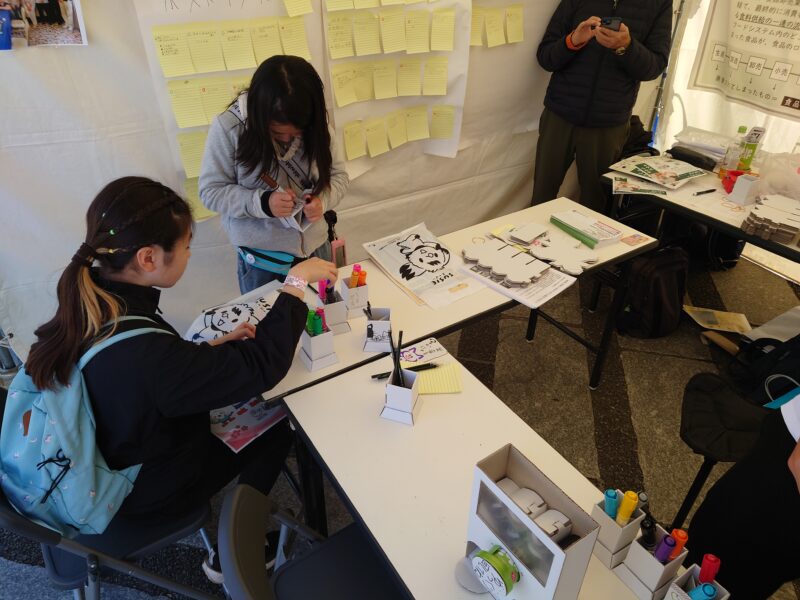
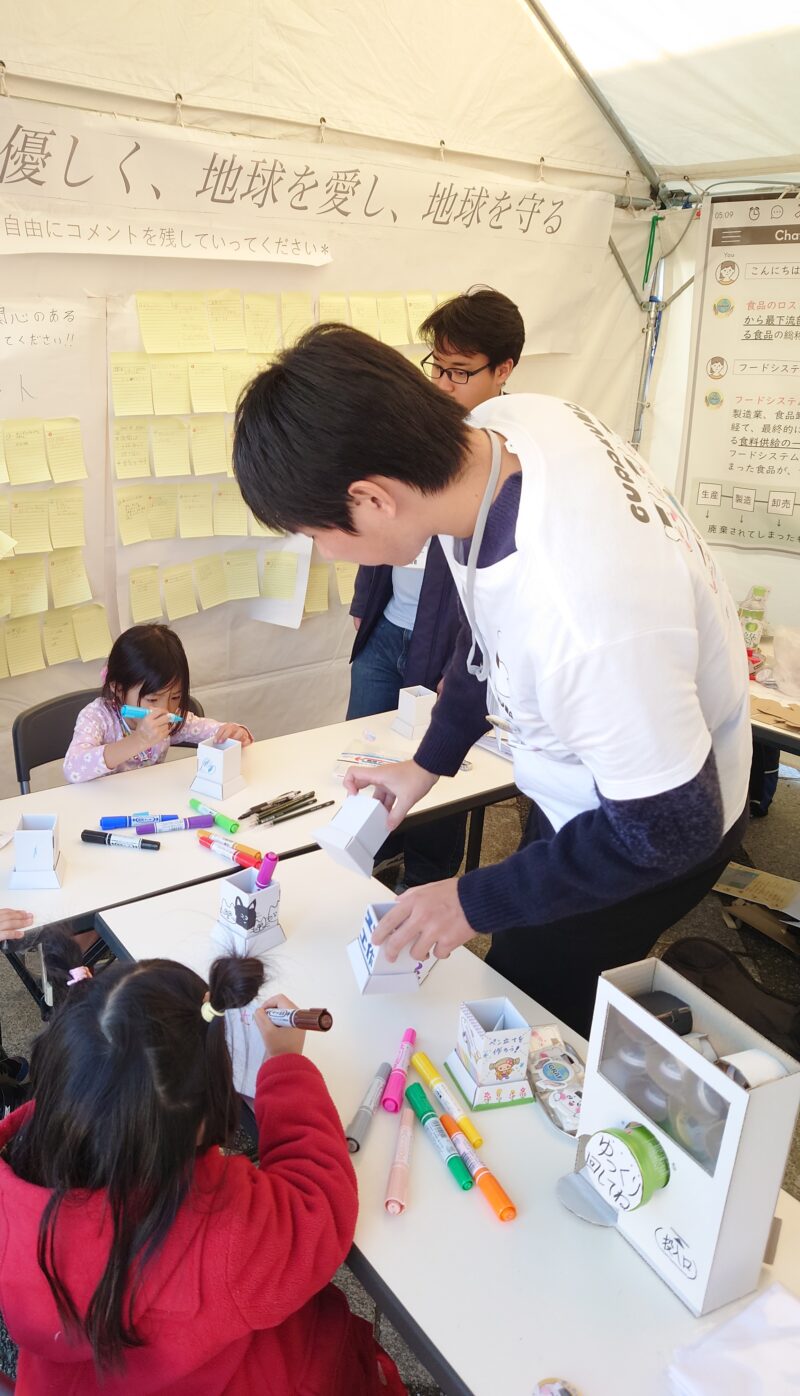
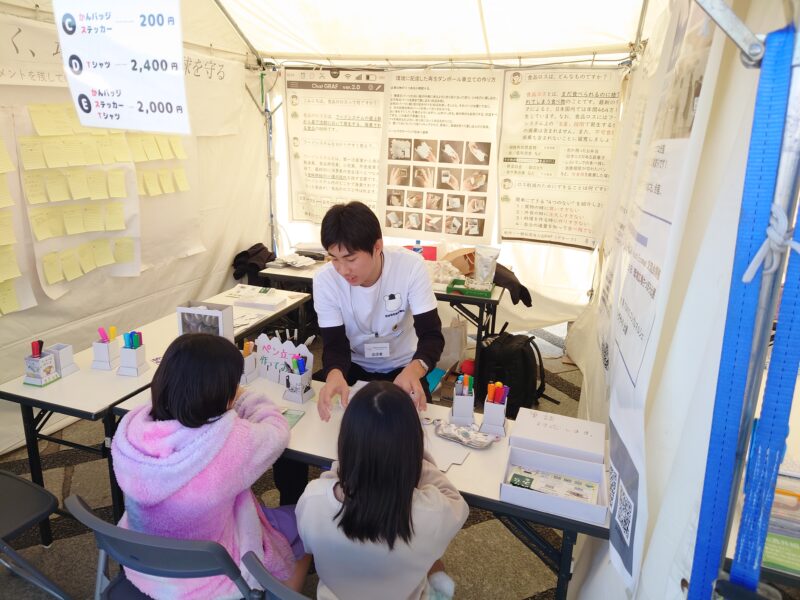
The pen holder workshop was especially popular among elementary school children. Over the three days, more than 100 groups stopped by our booth.
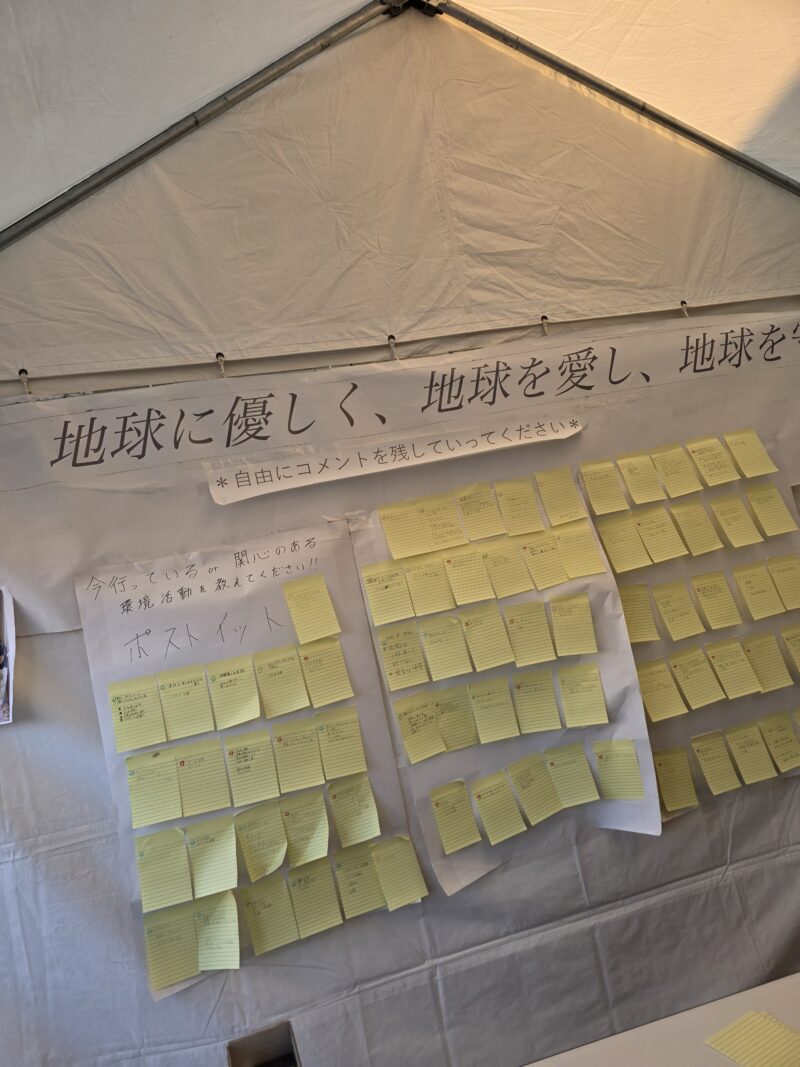
For the Post-it activity, visitors freely wrote about environmental actions they are currently working on or would like to try in the future. By the end of the event, we had collected more than 70 messages!
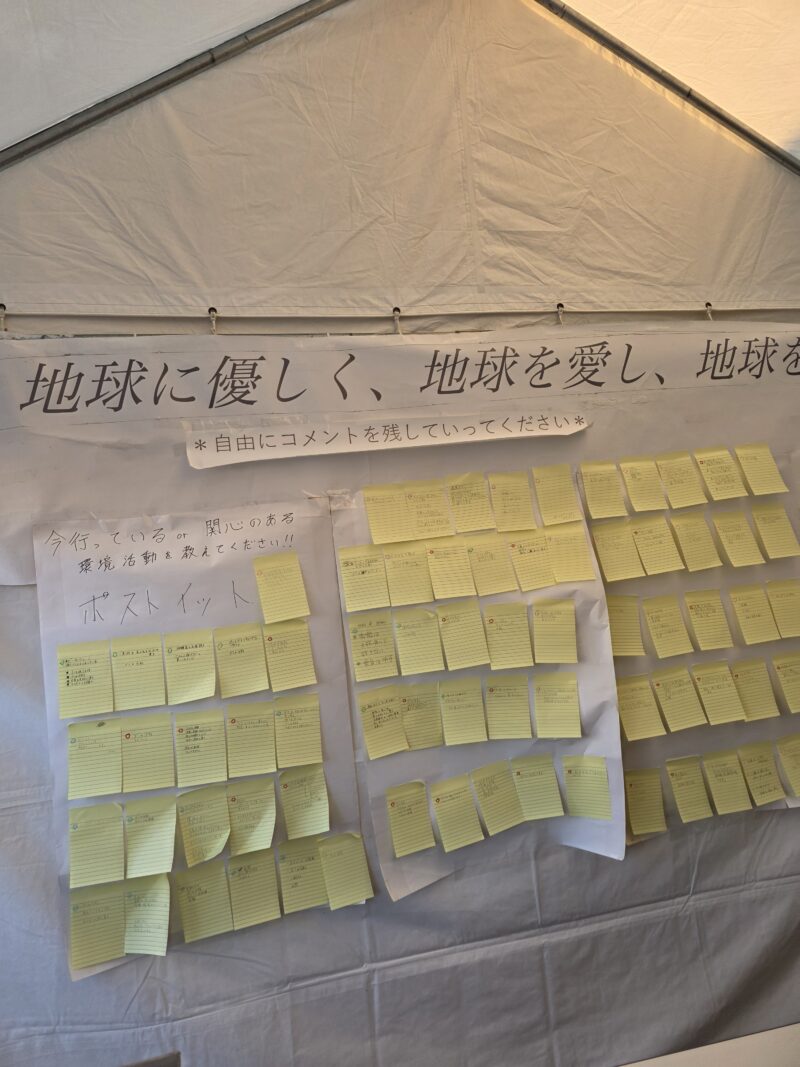
Thank you to everyone who contributed.
Between welcoming visitors, we also visited other booths, interacted with fellow exhibitors, and deepened our understanding of various environmentally friendly initiatives.
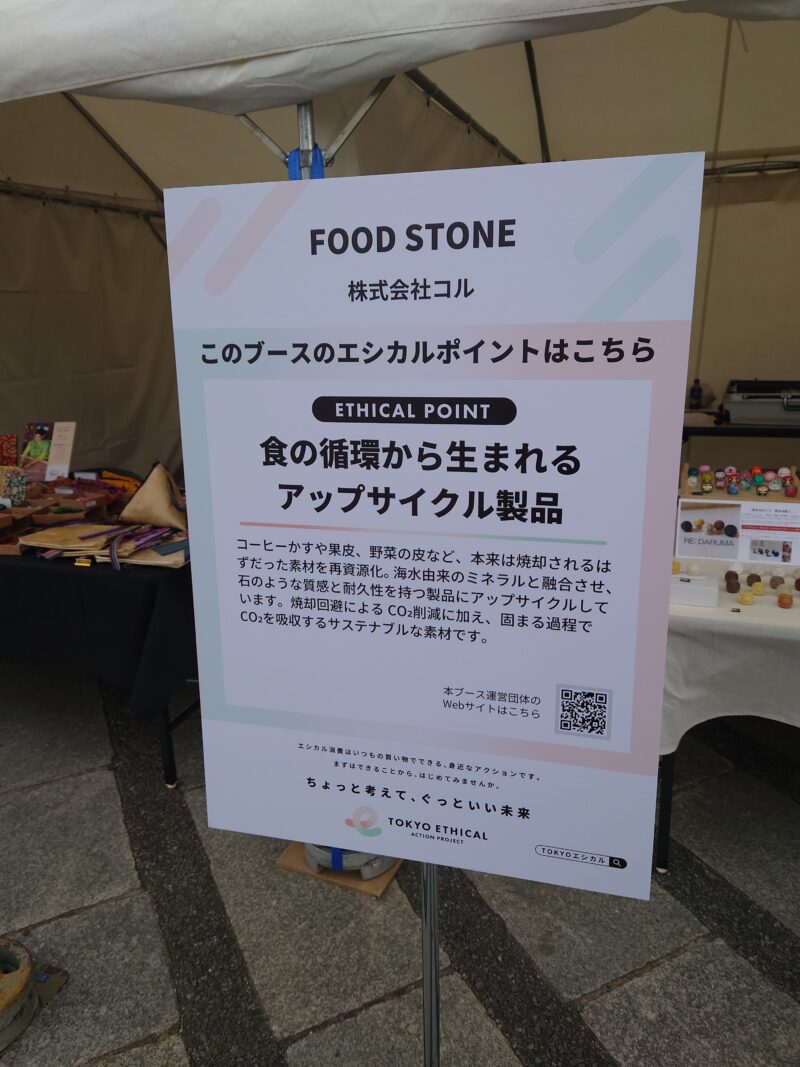
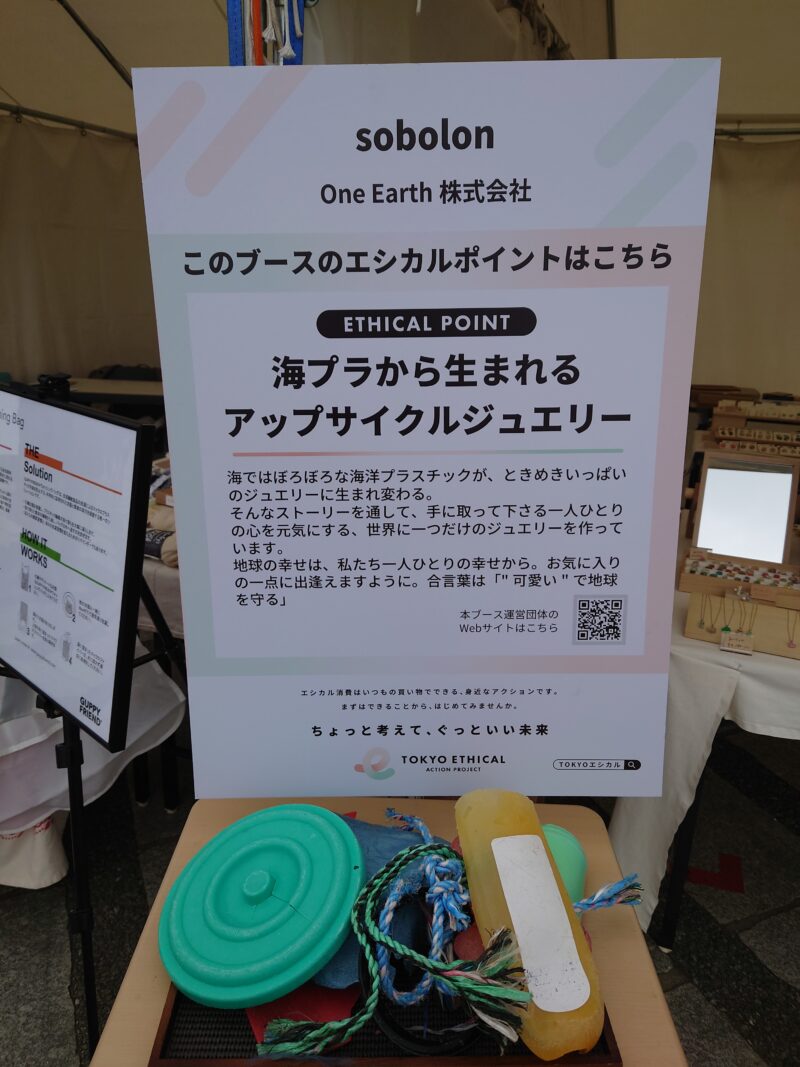
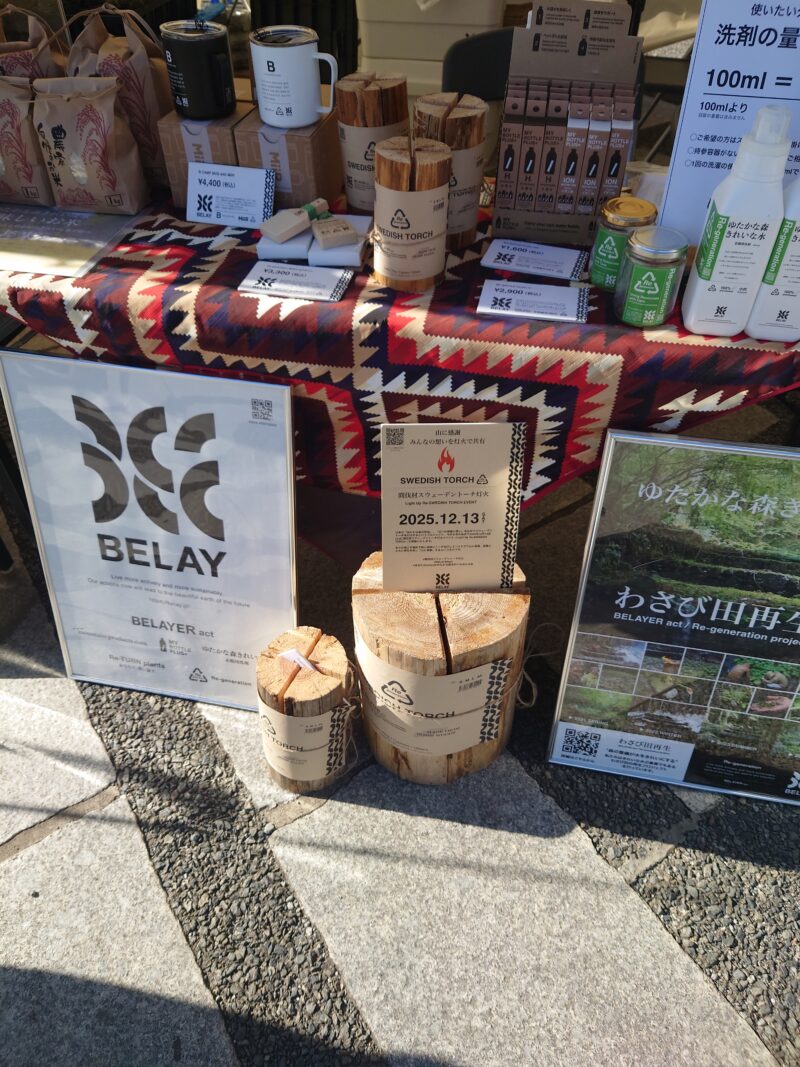
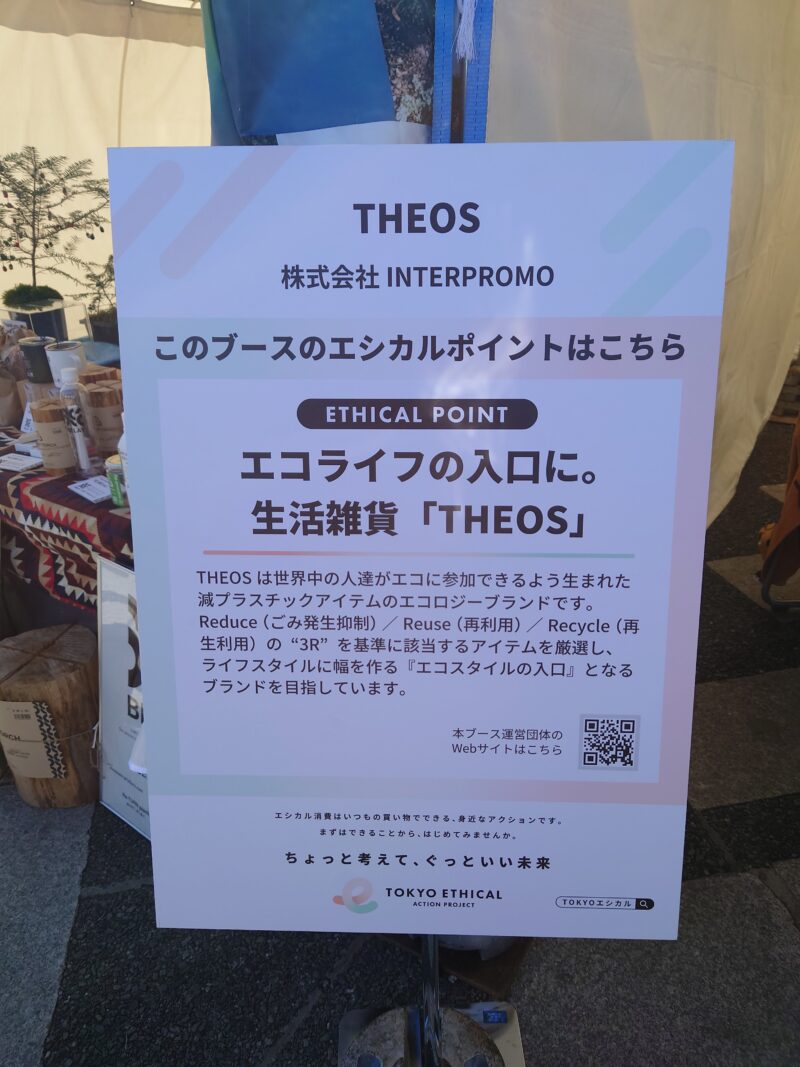
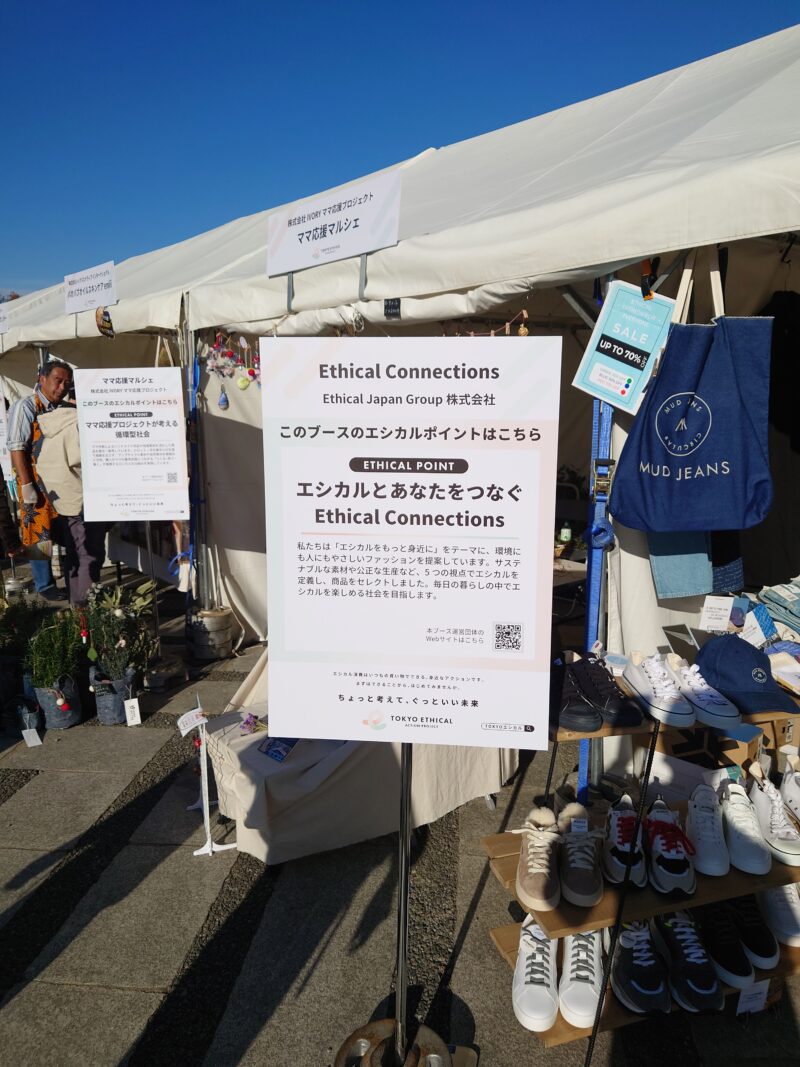
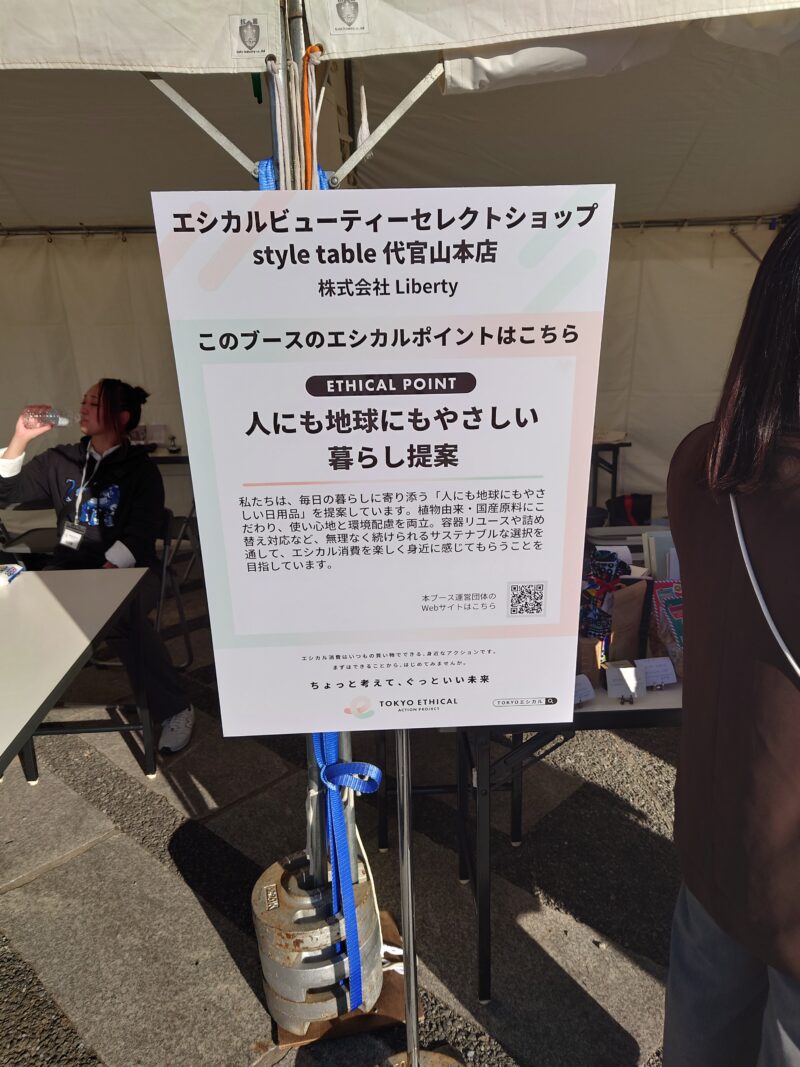
Among the exhibitors were people we had met at the same event last May.
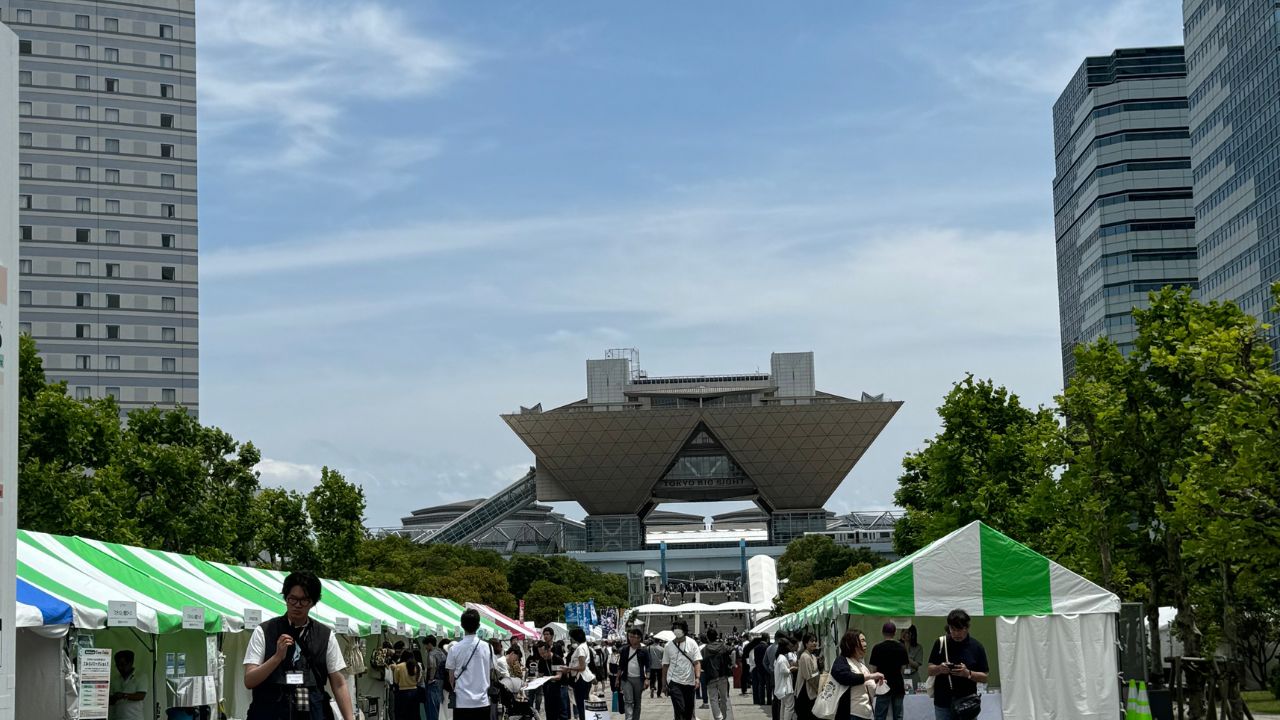
Perhaps one of the charms of this marche is the opportunity to build relationships that last beyond a single encounter.
Three-Day Highlights
Below is a look back at each day of the event.
Day 1 (11/22)
We began preparing our booth more than 40 minutes before the event started.
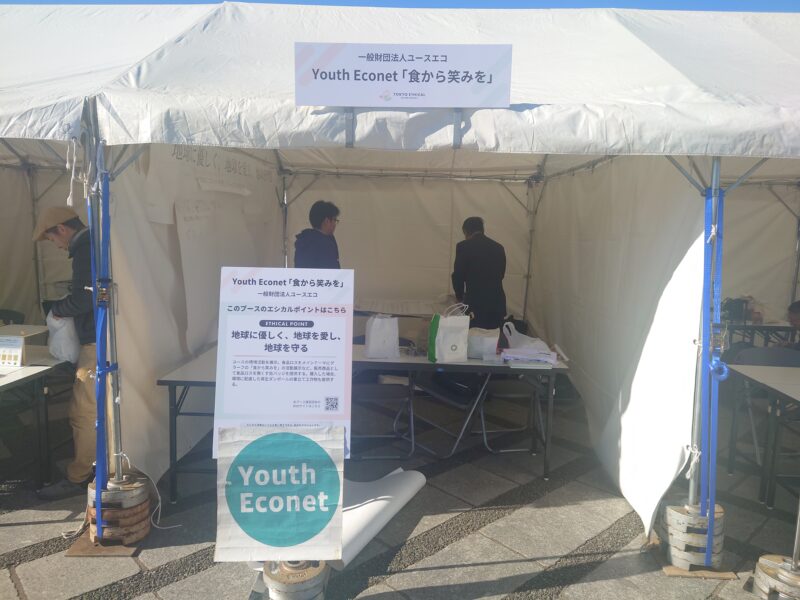
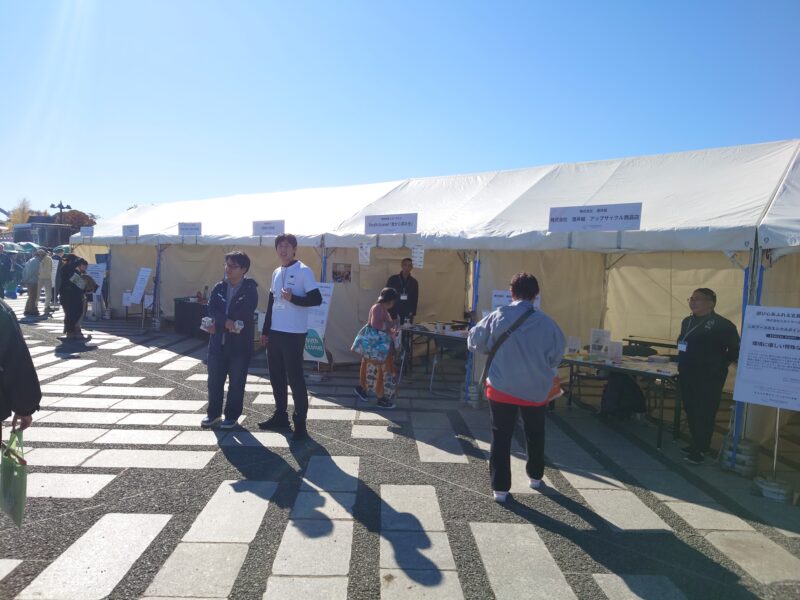
Under the warm autumn sunshine, the event kicked off at 10:00 AM.
To attract more visitors, we stood in front of the booth and invited people to join us.
The pen holder workshop was especially popular among elementary school children (particularly those in the middle grades).
Children decorated their handmade pen holders with illustrations of their choice.
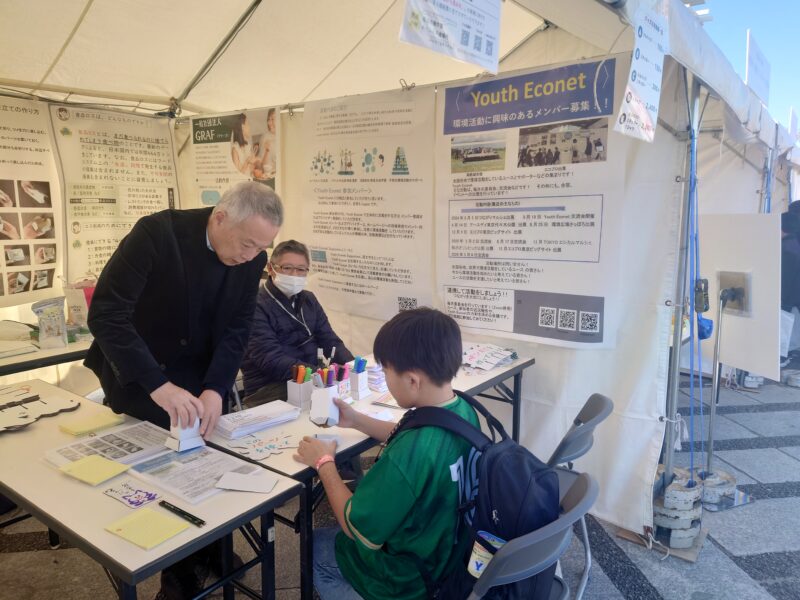
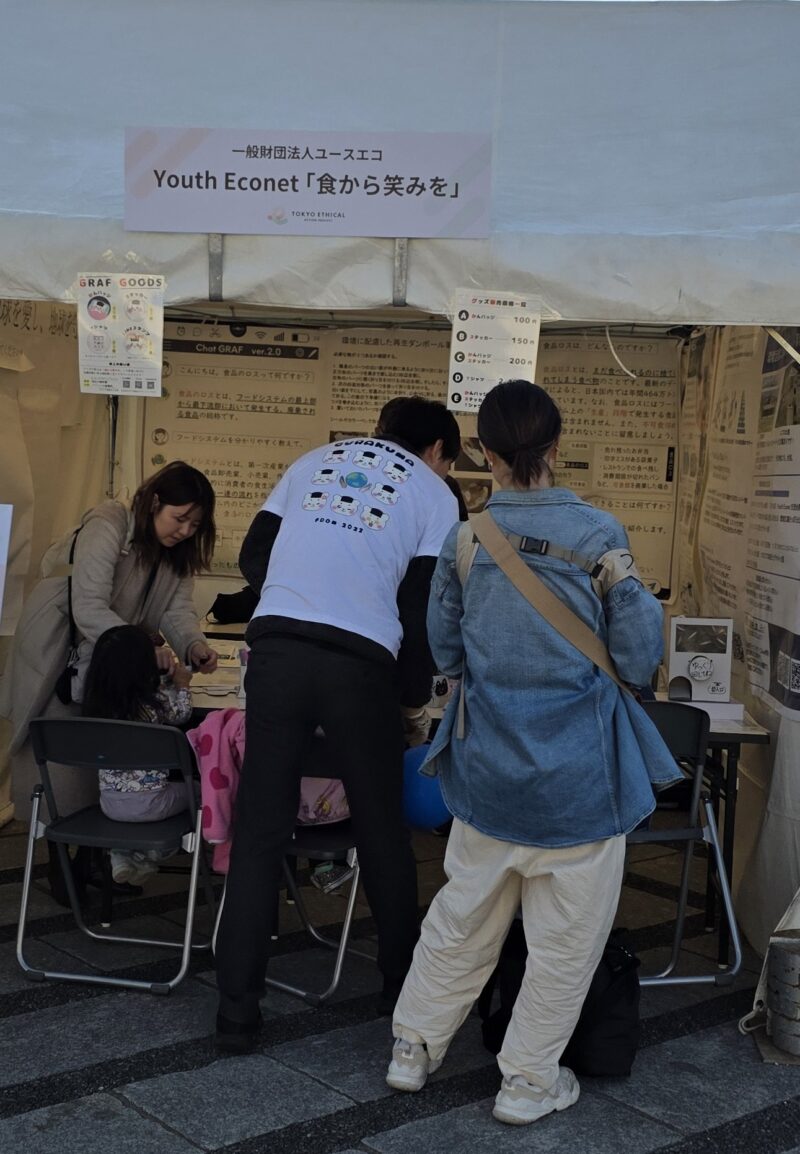
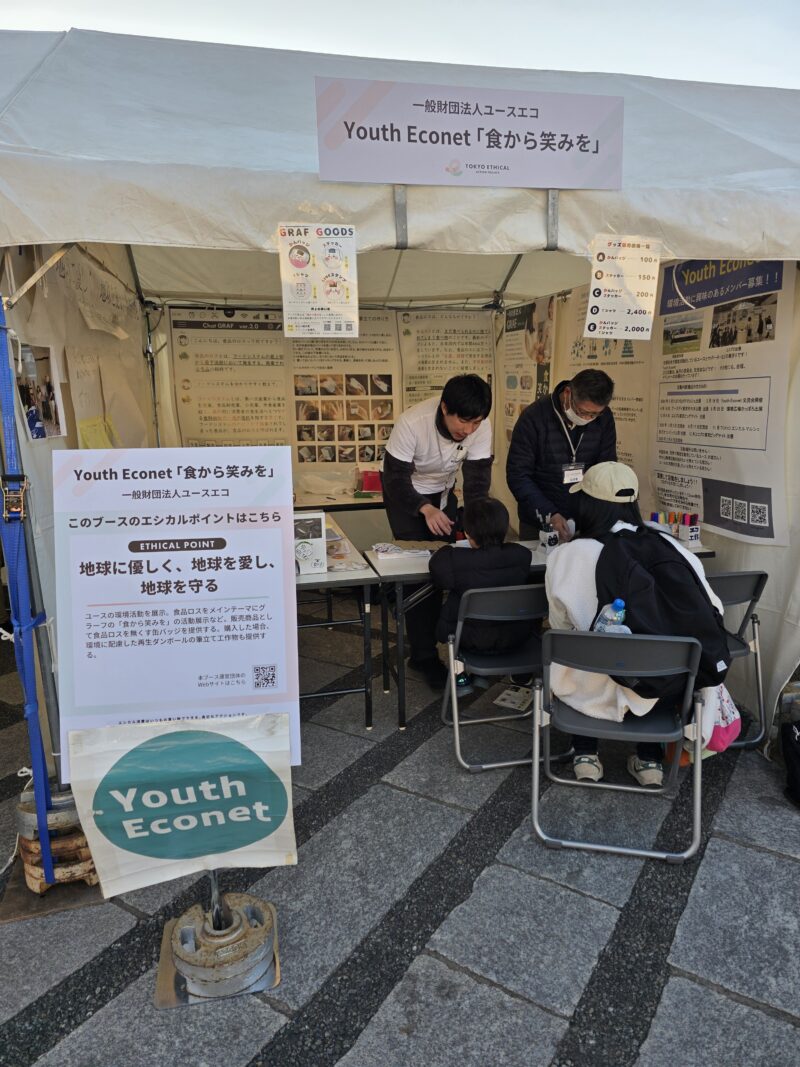
While the children worked on their crafts, their parents participated in the Post-it activity.
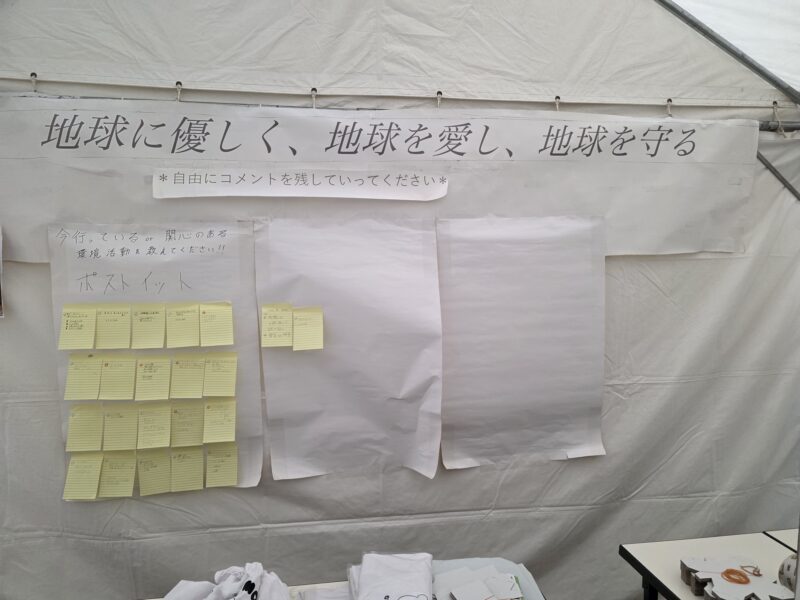
Day 2 (11/23)
A colder wind swept through Komazawa Olympic Park compared to the previous day.
The event again started at 10:00 AM.
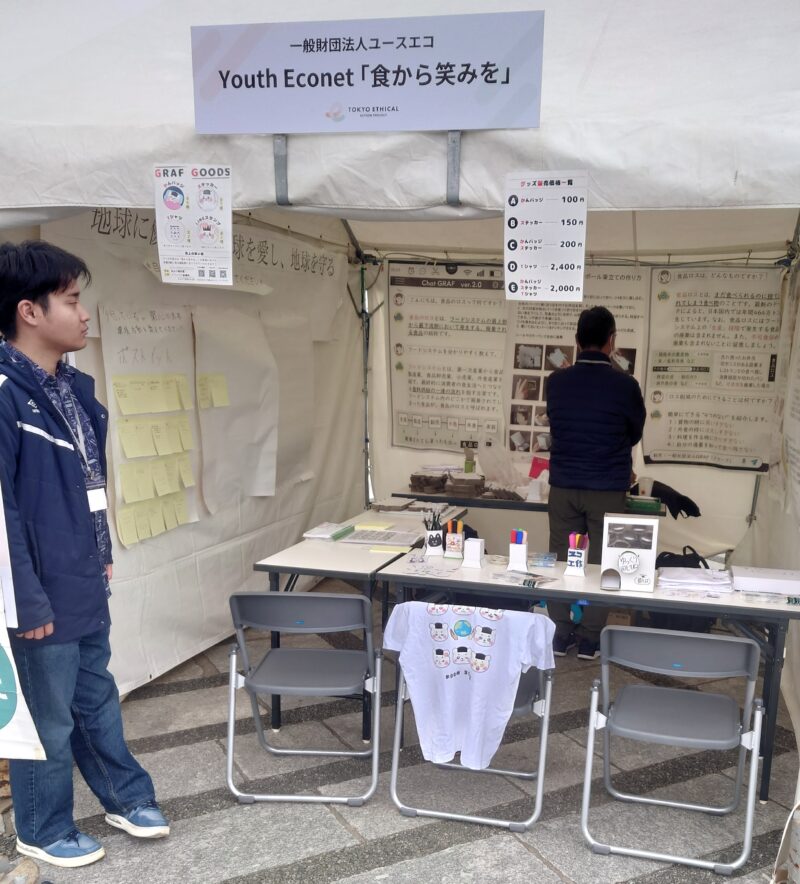
During quieter moments, we set up our handmade cardboard “gachapon” capsule toy machine (shown in the center-right of the photo) with our original can badge merchandise.
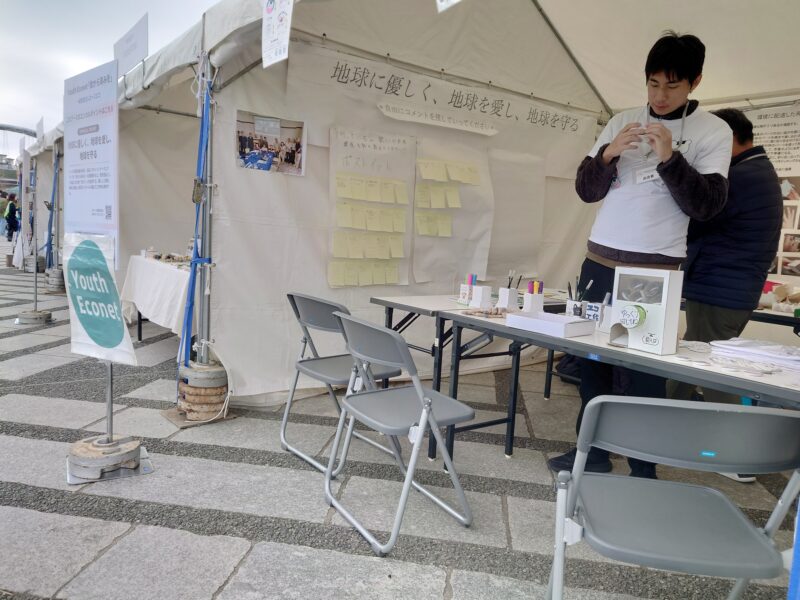
Perhaps because of the colder weather—or other factors—it felt like fewer visitors stopped by our booth compared to Day 1.
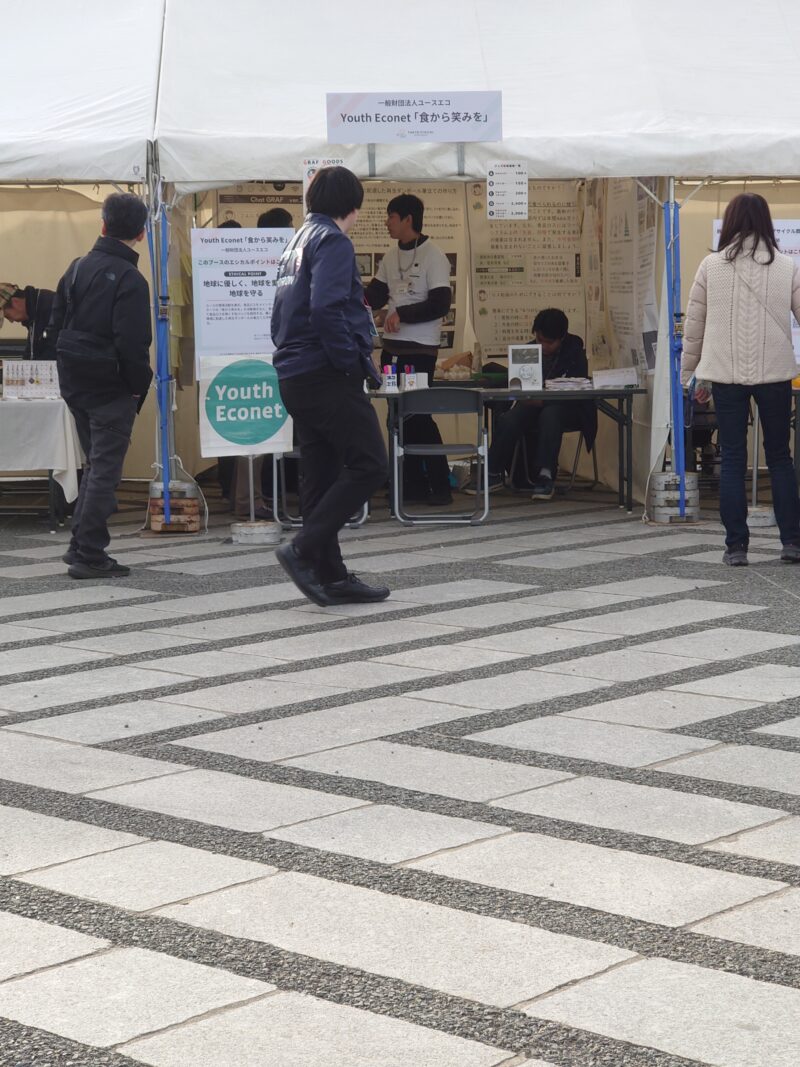
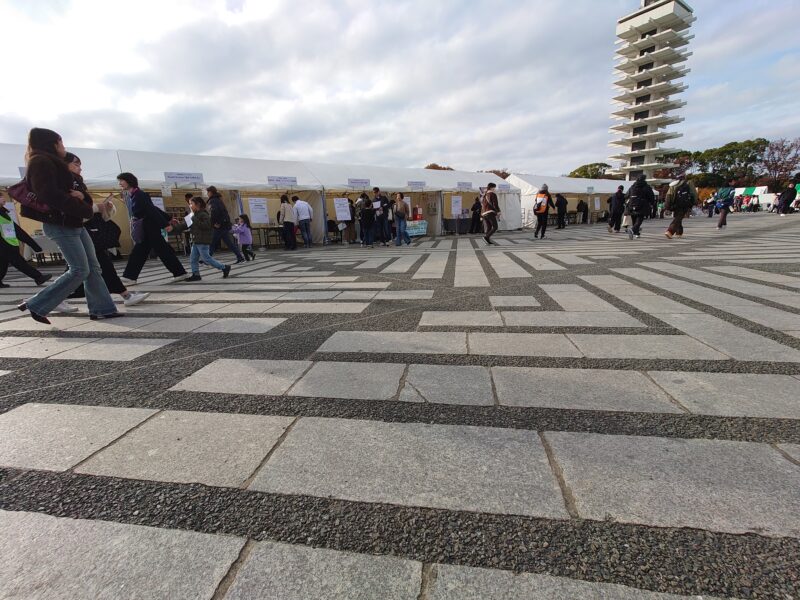
Day 3 (11/24)
The final day brought the best weather of the three.
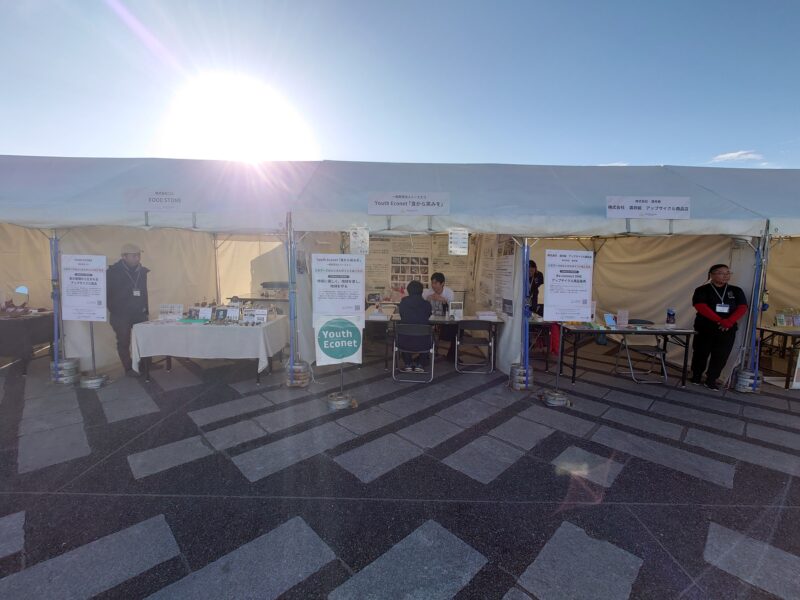
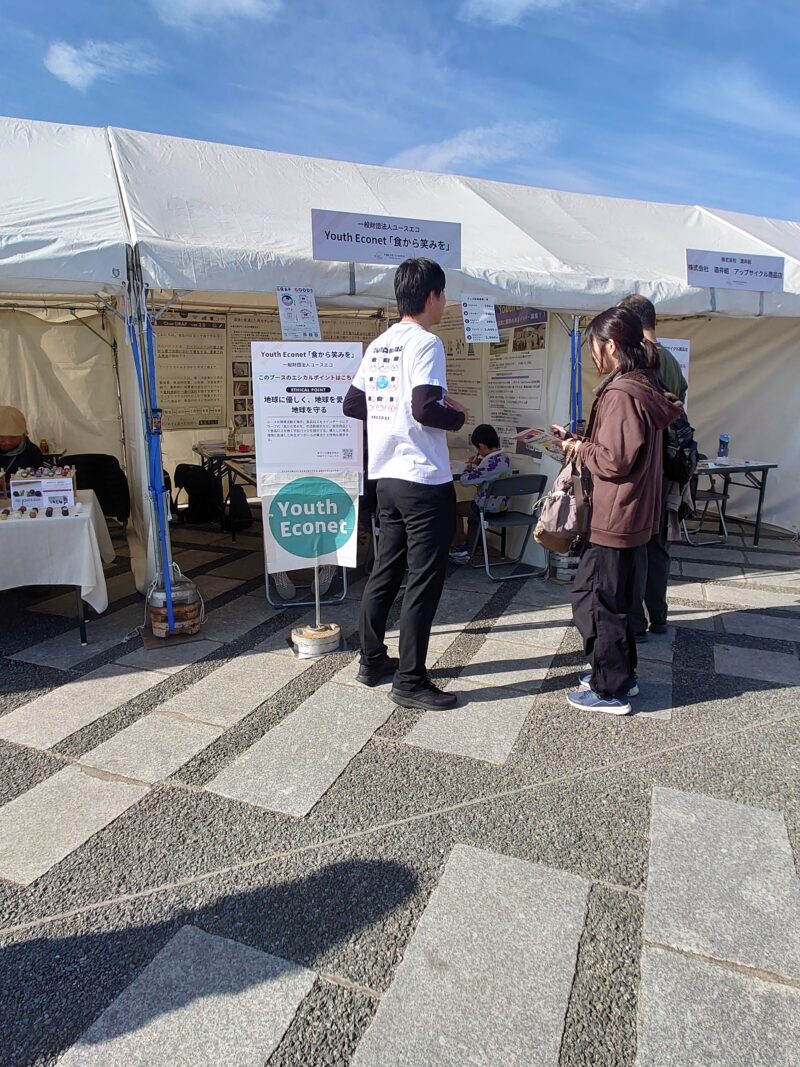
As if responding to the sunny skies, foot traffic increased significantly.
The craft workshop remained highly popular, with all seats sometimes fully occupied.
The number of Post-it messages steadily grew, eventually exceeding 70.
Conclusion
This was our second year exhibiting at this event.
By significantly changing the content of our booth compared to last year, we aimed to better engage the “young generation,” our primary target audience, and promote awareness and behavioral change.
Due to a simultaneous event, we also welcomed visitors who were not Japanese speakers and individuals with hearing impairments. At times, we felt unsure how best to communicate with them. However, through trial and error, we learned that nonverbal communication—using gestures and visual cues—can convey much more than we might expect.
At the same time, effective communication requires presenting information in forms that are accessible to the audience and choosing the most appropriate methods depending on the person.
Environmental issues affect everyone—they are truly global challenges. That is why organizations like ours must continuously refine how we communicate, so we can involve more people and encourage meaningful behavioral change.
We hope to apply what we learned from this experience to future exhibitions.
Thank you to everyone who visited our booth!
Co-Exhibitor
We exhibited jointly with 一般社団法人GRAF, an organization working to solve social issues related to food under the slogan “Smiles Through Food.”